
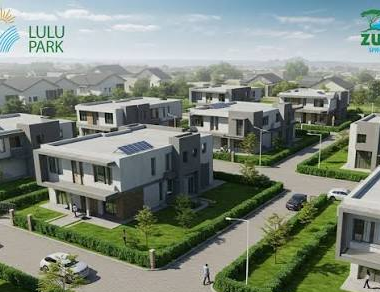




When searching for a home, buyers often focus on the house itself. However, the surrounding environment can be just as important. Roads, utilities, public spaces, access to services, and neighbourhood planning all influence everyday life.
This is why master-planned communities are attracting attention among homebuyers and property investors.
What Is a Master-Planned Community?
A master-planned community is a development designed around an overall plan for land use, infrastructure, housing, commercial areas, and shared amenities.
Rather than developing individual properties in isolation, the wider community is planned to coordinate different uses and services.
Tatu City, located in Kiambu County near Nairobi, is an example of this approach to urban development.
1. Organised Infrastructure
Planned road networks, utility systems, and designated land uses can help create a more coordinated living environment.
When evaluating a development, confirm the availability and reliability of essential services rather than assuming every planned facility is already operational.
2. Access to Everyday Amenities
A well-designed community may bring homes closer to shops, schools, workplaces, recreational facilities, and other services.
Convenience depends on the facilities actually available and how easily residents can reach them.
3. A Variety of Property Options
Master-planned developments may include different housing types to accommodate different budgets, household sizes, and lifestyle preferences.
Buyers should compare the available options based on total cost, space, location, and suitability for their needs.
4. Opportunities for Community Living
Shared spaces and thoughtfully designed neighbourhoods can create opportunities for residents to interact, participate in activities, and develop a sense of belonging.
The actual experience will depend on the community’s design, management, and available facilities.
5. Long-Term Property Considerations
Infrastructure investment and local economic activity can influence property demand. However, prices and rental returns may rise or fall depending on market conditions, supply, financing costs, and buyer demand.
Always evaluate a property’s financial fundamentals instead of relying on projected appreciation alone.
What Should You Check Before Buying?
Before choosing a property in a planned community, consider:
– Infrastructure: Are roads, water, electricity, drainage, and internet services available?
– Amenities: Which schools, shops, healthcare facilities, and recreational spaces are operational?
– Accessibility: How long does it take to travel to work and other important destinations?
– Legal documentation: Are ownership, approvals, and sale documents in order?
– Total costs: What are the purchase price, service charges, maintenance expenses, and other ongoing obligations?
These checks can help you determine whether the development meets your expectations.
Take the Next Step With Tatu Haven
Choosing a home means choosing more than a building. It means considering the neighbourhood, available services, convenience, and how the location fits your future plans.
Tatu Haven invites you to explore available property options, ask questions, and arrange a viewing to assess the location for yourself.